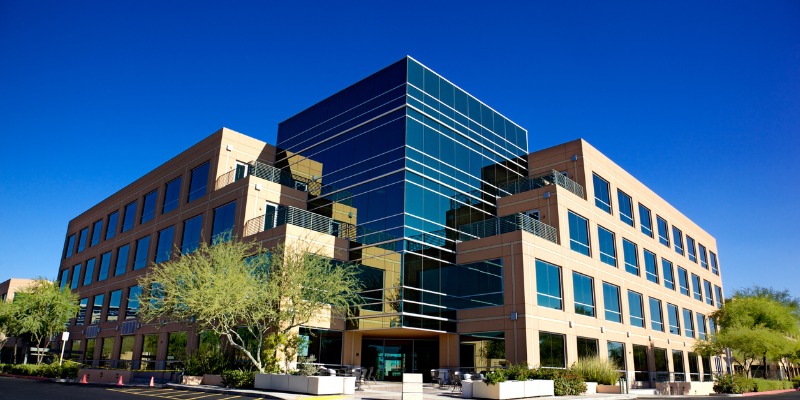
Residential and Commercial HVAC equipment are under different degrees of demand. When considering commercial HVAC filters, they need to cycle significantly more air, produce more heat or cool, and just work harder. As a result, they get exposed to more dirt, dust, and debris in the air. The filters protect the equipment from this, but they’ll need to be changed more often than your residential filter. How often should commercial HVAC filters be changed?
Regardless of the type of equipment, from air conditioners to furnaces, at minimum, you should change your HVAC filters quarterly. However, you may need to change them more often depending on several factors. We’ll discuss those factors below.
The filtration system you have will determine how often your filter needs to be changed. The specifics of the system and the type of filter that you’ve invested in will also matter. Filter manufacturers have suggestions about how often their filters need to be changed depending on the type of unit they’re in.
If you’re dealing with unusual airborne debris, you may need to change your filters much more regularly than every quarter, potentially up to every thirty days. If you’re in an industrial environment where you produce airborne debris or chemicals that may be health hazards, you may need to change filters very frequently, and even specialized equipment to keep these hazards at a minimum.
Even if you do not produce health hazards, you may still have a need for higher air quality. Vet offices may need to change filters more often to handle hair and pet dander. Businesses that cater to those with respiratory concerns, including the elderly, will also benefit from changing their filters more often.
To ensure that your commercial space has quality air, check your air filters and contact the experts at Appleby Systems. Contact us today.

In a residential HVAC environment, the filter is attached to your furnace and it is ideal to replace your furnace filter in the Summer and Winter. In a commercial HVAC environment we suggest you change the furnace and air conditioner filter bi-yearly. Our suggestion is that you change the filters in both right before their season begins, so that you can start off with the best quality air. We can perform maintenance at the same time, which will help ensure that your equipment operates at maximum efficiency.
Ultimately, your best bet to be sure you’re getting your filters changed regularly enough is to ask your HVAC professional what they recommend. They’ll base their decision on the factors above, as well as particularities about your equipment, type of filter, and needs as a business.
Has it been a while since you have changed your commercial HVAC filter? Contact our experts at Appleby Systems to help you with your HVAC maintenance including filter changes.
Sources:
https://americanfabricfilter.com/how-often-should-you-change-your-air-filter-in-your-company-space/
https://www.sobieskiinc.com/blog/does-your-building-maintenance-plan-include-changing-air-filter/
https://www.dayandnightair.com/blog/how-often-do-i-change-my-filters-in-my-commercial-hvac-unit/
https://www.jacksonandsons.com/how-often-should-your-commercial-air-filter-be-replaced/