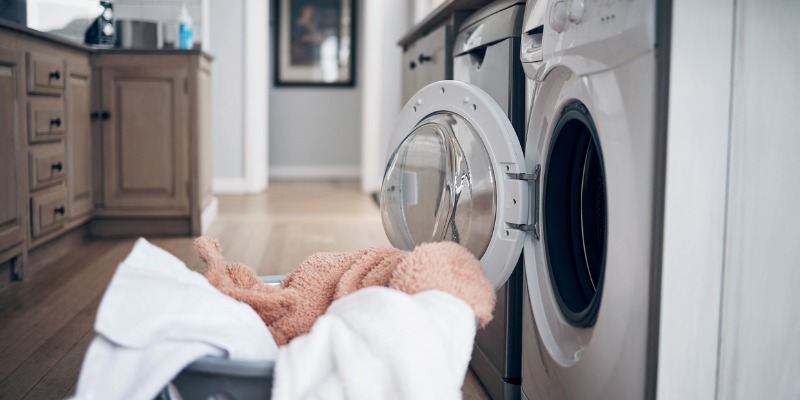
Home appliances may make life easier, but they can also drain energy—and your bank account. The appliances that tend to use the most energy are HVAC appliances like central air conditioning units, furnaces, and boilers, as well as your water heater, refrigerator, washer, and dryer.
If you're looking to reduce appliance energy consumption, here are our best tips:
By being mindful of the appliances that use the most energy and taking steps to reduce consumption, you can save money on bills and reduce your environmental impact.
If you're in the market for HVAC appliances, consider buying from Appleby Systems. We offer the most energy-efficient HVAC appliances to help you save on energy bills and replacements. Plus, our knowledgeable staff can assist you in finding the best solution for your home's heating and cooling needs.
Don't hesitate to reach out to Appleby Systems for your HVAC upgrade today!