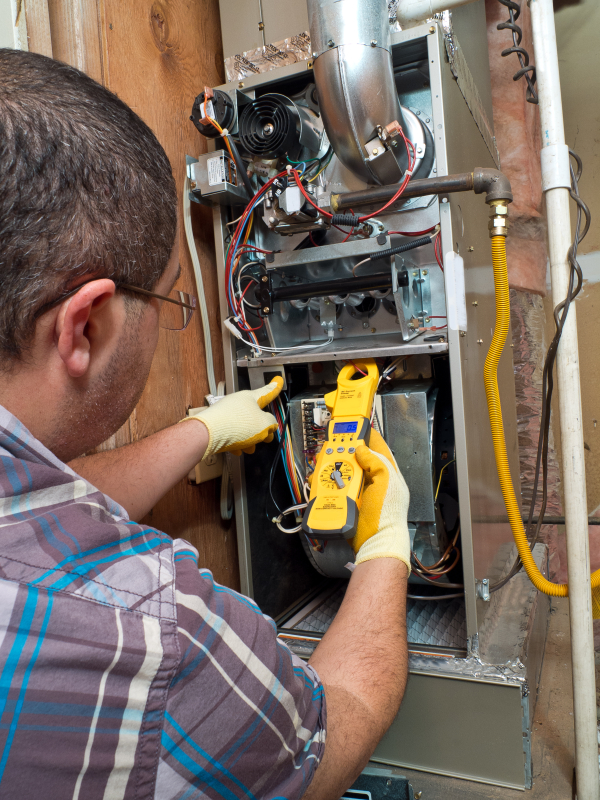
 While surprise and significant heating emergency may tell you it’s time for a new furnace, most of the time the decision is not so clear. Age, condition and efficiency are all things to review so you can be confident your decision to buy a new furnace is the right one. Your Appleby Systems technician can help lay out your best options based on an inspection of your current HVAC system and your budget.
Here are a few signs to look for when deciding when you should replace your furnace:
If your furnace has one or more of these signs, then it’s time to call Appleby Systems. We are a locally owned business with experience maintaining and evaluating all makes and models of furnaces. We also sell and install the most exclusive, high-quality furnaces in Canada. Licensed technicians can complete a full evaluation of your furnace and heating system and advise you on a range of options.
 The demise of your old furnace might actually be a blessing in disguise. We are now the official supplier of Carrier home furnaces. Carrier is the leading name in home heating and cooling. It designs and manufactures some of the most complete, energy efficient, silent and innovative systems on the planet. Carrier systems are trusted by the Sistine Chapel, the International Olympic Committee and many more. If your home is truly your sanctuary, this is the best product to keep you comfortable at the end of the day.
You can learn more about Carrier furnaces here, or pick up the phone to talk to one of our expert technicians about the solution that will best replace your old, broken down furnace. Whatever you choose, we’re ready to help!
[ebook]